Introduction
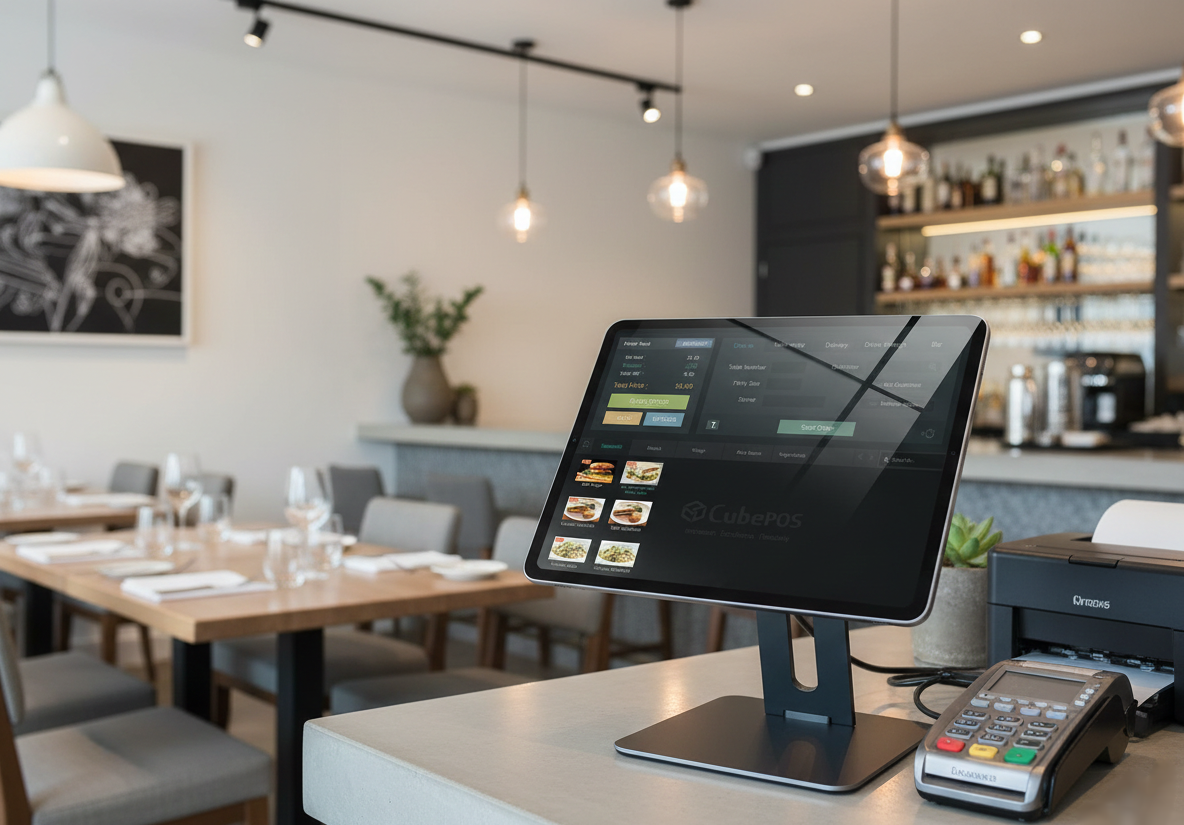
Running a successful restaurant in today's competitive market requires having the right tools and technology to streamline operations, improve efficiency, and deliver an exceptional customer experience. One of the most critical investments a restaurant can make is in an effective electronic point-of-sale (EPOS) system.
An EPOS system serves as the central nervous system of your restaurant, handling everything from order taking and inventory management to payment processing and reporting. Choosing the right EPOS solution can make all the difference in your restaurant's success.
However, with so many EPOS options on the market, it can be overwhelming to know which system is the best fit for your unique business needs. That's why we've put together this comprehensive buying guide to help you ask the right questions and make an informed decision.
15 Essential Questions to Ask When Buying a Restaurant EPOS System
1. What specific features does the EPOS system offer?
Look for an EPOS system that provides a comprehensive suite of features tailored to the needs of restaurants, such as:
- Order entry and table management
- Inventory tracking and stock management
- Detailed sales reporting and analytics
- Integrated payment processing
- Customer loyalty programs
- Employee time tracking and scheduling
- Menu management and item modifiers
- Kitchen display systems and order routing
2. Is the system cloud-based or on-premise?
Cloud-based EPOS systems offer the benefits of remote access, automatic software updates, and reduced IT maintenance. On-premise systems may provide more control over data storage and security, but require more upfront hardware investment.
3. How user-friendly and intuitive is the EPOS interface?
The system should be easy for your staff to learn and use, with a clean, logical interface that minimizes training time and streamlines daily operations.
4. What type of hardware is required, and how much does it cost?
Understand the full hardware requirements, including terminals, tablets, printers, cash drawers, and any other necessary equipment. Factor in both the initial purchase cost and ongoing maintenance or replacement needs.
5. Is the Restaurant EPOS system compatible with your existing restaurant technology?
Ensure the EPOS system can integrate seamlessly with your other critical systems, such as accounting software, online ordering platforms, and inventory management tools.
6. How scalable is the EPOS system to support future growth?
As your restaurant expands, you'll want an EPOS solution that can easily accommodate additional locations, staff, and transaction volumes without compromising performance.
7. What kind of customer support and training is available?
Evaluate the vendor's responsiveness and the quality of their training resources, both during the initial implementation and for ongoing support.
8. How secure is the EPOS system, and how does it handle data protection?
Look for robust security features, such as encrypted payment processing, user access controls, and compliance with industry standards like PCI-DSS.
9. What are the system's reporting and analytics capabilities?
Ensure the EPOS system for your restaurant provides detailed, customizable reports that give you valuable insights into your restaurant's performance, sales trends, and customer behavior.
10. Does the EPOS system offer mobile and remote access capabilities?
Mobile POS functionality and the ability to access the system from anywhere can enhance flexibility and productivity for your staff.
11. How does the EPOS system handle menu changes and item modifiers?
An efficient menu management system should make it easy to update menu items, pricing, and item customization options.
12. What kind of inventory management features does the EPOS system provide?
Look for advanced inventory tracking, low-stock alerts, and the ability to generate purchase orders to streamline your supply chain.
13. Can the EPOS system support multiple locations and/or franchise operations?
If you have or plan to have multiple restaurant locations, ensure the EPOS system can be seamlessly deployed and managed across all sites.
14. What are the EPOS system's pricing and contract terms?
Understand the total cost of ownership, including any upfront hardware/software fees, monthly/annual subscription costs, and any hidden charges or penalties.
15. What is the vendor's reputation and track record in the industry?
Research the EPOS provider's history, customer reviews, and financial stability to ensure they can deliver reliable, long-term support for your restaurant.
Introducing CubePOS: The Modern EPOS Solution for UK Restaurants
When it comes to finding the ideal EPOS system for your restaurant in the United Kingdom, CubePOS stands out as a comprehensive and innovative solution that addresses the specific needs of today's dynamic food service industry.
CubePOS is a cloud-based EPOS system that combines powerful features, seamless integrations, and exceptional customer support to help UK restaurants streamline operations, boost efficiency, and enhance the overall dining experience.
Here's a closer look at how CubePOS measures up against the essential EPOS buying criteria:
Comprehensive Restaurant-Specific Features
CubePOS offers an extensive suite of features tailored for the unique needs of restaurants, including order entry, table management, inventory tracking, employee management, and advanced reporting. The intuitive interface makes it easy for your staff to navigate and adapt to the system quickly.
Cloud-Based Flexibility and Scalability
As a cloud-based EPOS system, CubePOS provides the flexibility of remote access, automatic software updates, and the ability to scale up as your restaurant business grows. This allows you to focus on running your restaurant without worrying about the IT infrastructure.
Seamless Integrations
CubePOS seamlessly integrates with a wide range of third-party restaurant technologies, such as online ordering platforms, accounting software, and inventory management tools. This ensures a streamlined, data-driven approach to your operations.
Robust Security and Data Protection
CubePOS takes data security and compliance seriously, with features like encrypted payment processing, user access controls, and adherence to industry standards like PCI-DSS. You can trust that your sensitive customer and financial information is protected.
Powerful Reporting and Analytics
The CubePOS reporting suite offers detailed, customizable insights into your restaurant's performance, allowing you to make data-driven decisions to improve profitability and customer satisfaction.
Exceptional Customer Support
CubePOS is backed by a team of dedicated support professionals who are committed to ensuring a smooth implementation and providing ongoing assistance to help you get the most out of the system.
How to Switch EPOS Systems Without Disrupting Your Restaurant
Transitioning to a new EPOS system can seem like a daunting task, but with the right approach, you can make the switch seamlessly without disrupting your restaurant's daily operations. Here are some key steps to consider:
Assess Your Current EPOS System: Thoroughly evaluate your existing EPOS system, identifying its strengths, weaknesses, and any pain points you'd like to address with a new solution.
Research and Evaluate EPOS Providers: Thoroughly research and compare different EPOS providers, taking into account the features, integration capabilities, pricing, and overall fit for your restaurant's needs.
Plan the Transition: Work closely with your chosen EPOS provider to develop a comprehensive transition plan, including timelines, data migration, staff training, and any necessary hardware upgrades.
Communicate with Your Team: Ensure your staff is informed and prepared for the EPOS system change. Provide thorough training to ensure a smooth transition and minimal disruption to daily operations.
Implement the New EPOS System: Work closely with your EPOS provider to ensure a seamless implementation, with minimal downtime and a well-coordinated rollout.
Monitor and Optimize: Closely monitor the performance of the new Restaurant EPOS system, addressing any issues that arise and continuously optimizing the system to meet your evolving needs.
By following these steps and partnering with a reputable EPOS provider like CubePOS, you can successfully transition to a new EPOS system without compromising your restaurant's day-to-day operations or customer experience.
EPOS System Contracts: What to Watch Out For in the UK
When signing an EPOS system contract, it's crucial to carefully review the terms and conditions to ensure you're getting a fair and transparent deal. Here are some key factors to watch out for when evaluating EPOS system contracts in the UK:
Contract Duration and Termination Clauses
Understand the length of the contract and any automatic renewal provisions. Look for flexible options that allow you to terminate the agreement without excessive penalties if the EPOS system does not meet your needs.
Pricing and Fees
Closely examine the pricing structure, including any upfront hardware or software costs, monthly/annual subscription fees, and any hidden charges or penalties. Ensure there are no unexpected costs or escalating fees over the contract term.
Hardware and Software Ownership
Clarify whether the EPOS hardware and software are owned by you or the provider. This can impact your ability to upgrade or replace equipment in the future.
Data Ownership and Portability
Understand who owns the data generated by the EPOS system and what happens to that data if you choose to switch providers. Ensure you have the right to access and export your data at any time.
Maintenance and Support
Review the provider's service-level agreements (SLAs) for technical support, software updates, and hardware maintenance. Confirm the availability and responsiveness of their support team.
Exclusivity Clauses
Beware of any exclusivity clauses that prevent you from using other third-party services or integrations with the EPOS system.
Dispute Resolution and Liability
Carefully review the contract's dispute resolution procedures and liability limitations to ensure they are fair and protect your interests as a restaurant owner.
By thoroughly understanding the terms of your EPOS system contract and being aware of potential pitfalls, you can make an informed decision and enter into an agreement that best serves the long-term needs of your restaurant.
Monthly vs One-Time Payment: Which EPOS Pricing Model is Better?
When it comes to EPOS system pricing, restaurant owners in the UK have two main options to consider: a monthly subscription model or a one-time upfront payment. Each approach has its own advantages and disadvantages, and the best choice will depend on your specific business needs and financial considerations.
Monthly Subscription Model
The monthly subscription model for EPOS systems typically involves a recurring monthly or annual fee that covers the use of the software, access to updates and support, and any necessary hardware rentals.
Advantages of the Monthly Subscription Model:
- Lower Upfront Costs: With a monthly subscription, you can avoid the large, one-time hardware and software investments required by a traditional EPOS system.
- Predictable Budgeting: The consistent monthly payments make it easier to plan and budget for your EPOS system costs.
- Automatic Updates and Maintenance: The provider is responsible for ensuring the EPOS system is up-to-date and well-maintained, reducing your internal IT burden.
- Scalability: Monthly subscriptions allow you to easily scale your EPOS system as your restaurant grows, without having to make significant additional investments.
Disadvantages of the Monthly Subscription Model:
- Ongoing Costs: Over the long term, the total cost of a monthly subscription may exceed the upfront cost of a one-time EPOS system purchase.
- Potential Lock-In: Some monthly subscription contracts may include termination penalties or automatic renewal clauses, making it difficult to switch providers in the future.
One-Time Upfront Payment
With the one-time upfront payment model, you purchase the cafe EPOS system outright, including the necessary hardware and software licenses.
Advantages of the One-Time Upfront Payment Model:
- Lower Long-Term Costs: If you plan to use the EPOS system for an extended period, the one-time payment may be more cost-effective than ongoing monthly fees.
- Ownership and Control: By owning the EPOS system, you have greater control over the hardware and software, as well as the ability to modify or upgrade it as needed.
- Flexibility: Without a long-term contract, you have more freedom to switch EPOS providers in the future if your needs change.
Disadvantages of the One-Time Upfront Payment Model:
- Higher Initial Investment: The upfront cost of purchasing an EPOS system can be a significant financial burden, especially for new or small restaurants.
- Responsibility for Maintenance and Updates: With a one-time purchase, you are responsible for ensuring the EPOS system is properly maintained and updated, which may require additional IT resources and costs.
- Limited Scalability: Expanding your EPOS system to accommodate business growth may require additional hardware and software investments.
When evaluating the best EPOS pricing model for your UK restaurant, consider factors such as your current and projected financial resources, the expected lifespan of the EPOS system, your IT capabilities, and the need for scalability and flexibility. By carefully weighing the pros and cons of each approach, you can make an informed decision that aligns with your restaurant's unique requirements and long-term goals.
Conclusion
Selecting the right EPOS system is a critical decision for any restaurant in the UK, as it can have a significant impact on your operational efficiency, customer experience, and overall profitability. By asking the right questions, understanding the key features and considerations, and exploring a solution like CubePOS, you can ensure your restaurant is equipped with the modern, reliable EPOS technology it needs to thrive in today's competitive market.
Remember, the EPOS system you choose will be a long-term partner in your restaurant's success, so take the time to thoroughly evaluate your options and find a solution that truly meets your unique business needs. With the right EPOS system in place, you can streamline your operations, enhance your customer service, and position your restaurant for continued growth and success.